AT A GLANCE
Gates of Olympus combines pay-anywhere symbol wins with tumbles and multiplier symbols. In the original game, the free-spins feature adds a running multiplier mechanism, which needs a different reading from the number printed on one symbol.
Gates of Olympus and Gates of Olympus 1000 are distinct
The original Pragmatic Play game uses six tumbling reels and pays qualifying matching-symbol groups anywhere on the screen. Its multiplier symbols can reach 500× in the base game and free spins. Four or more scatters trigger fifteen free spins.
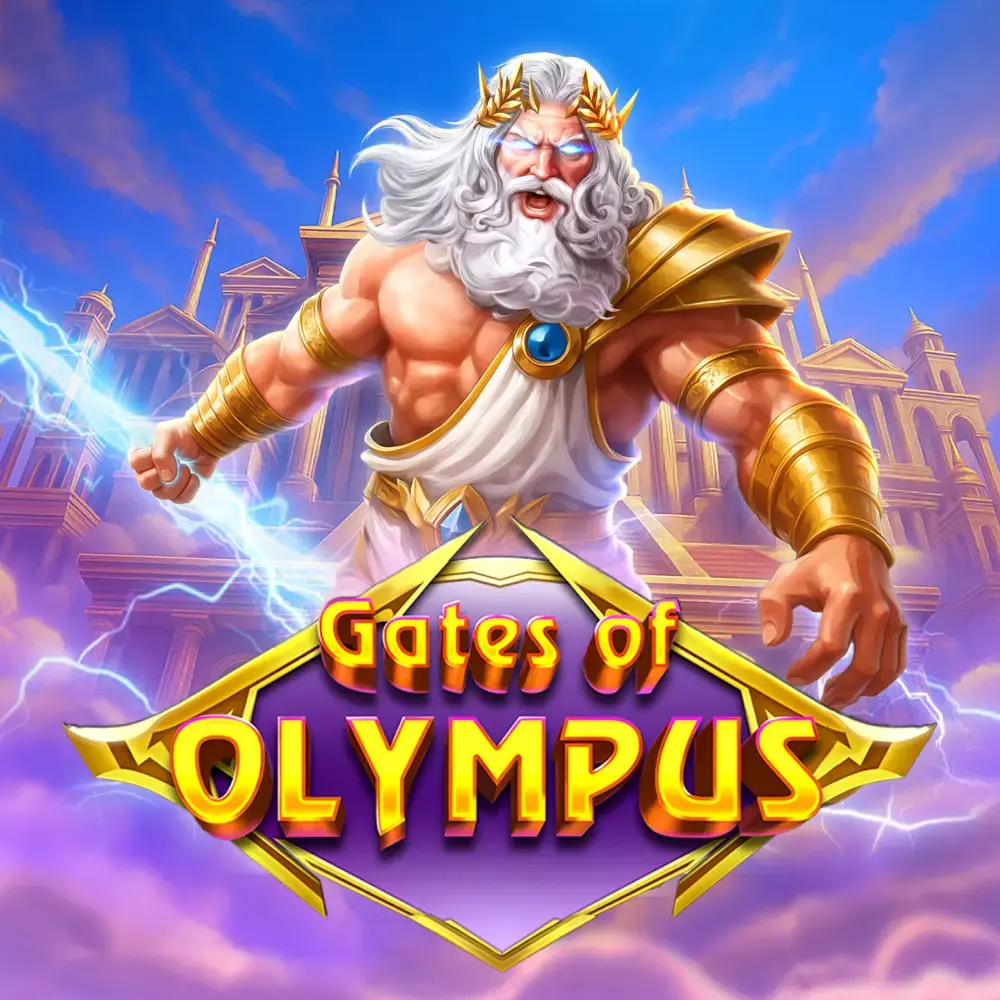
Gates of Olympus 1000 is another title, not an interchangeable name for the original. Keep the title visible when discussing multiplier limits, feature conditions or a published return figure. A Zeus illustration alone cannot identify the mathematical configuration.
The presence of a game in a catalogue also does not establish Australian availability or authorisation. The local legal context is separate from this mechanics guide.
Separate a paying symbol group from the round total
A qualifying group requires enough matching symbols of one type, rather than an unbroken path on a conventional payline. The original begins paying at eight matches. Check the paytable for the award attached to that symbol and count.
Tumbles can create several component wins within the same paid round. To read the result, identify the original stake, the ordinary symbol awards and any multiplier calculation. Do not count an intermediate running total twice.
| Record | Meaning | Common confusion |
|---|---|---|
| Initial stake | Amount charged to start the round | Every tumble is treated as another paid spin |
| Component win | One part of the sequence result | It is confused with the final total |
| Multiplier value | A factor used under the feature rules | It is read as cash on its own |
| Round settlement | The final amount recorded | An animation is mistaken for an additional award |
The free-spins total can carry across the feature
During the original feature, Pragmatic Play says that a multiplier landing on a winning spin is added to the running total and applied to that win. The qualifying-win condition matters: a visible multiplier should not be read as an automatic payment.
For an illustrative calculation, a previously accumulated factor of 8× plus a new qualifying 5× produces 13×. Applied to a hypothetical A$2 eligible win, it gives A$26. It is not 8 × 5, and the A$2 is not the original stake unless the record specifically says so.
Read how the feature applies and retains its total in the game information. The provider's description distinguishes this running feature multiplier from individual symbols available in the base game.
A feature counter is a state, not a promise of the next outcome
Remaining spins and an accumulated multiplier describe the current feature state. They do not establish that another qualifying win or multiplier must appear before it ends. A large visible total can coexist with a sequence that produces no further qualifying payment.
If the display shows a retrigger or another event, read the rule for the exact original game version. Do not import retrigger details from a review of a sequel merely because both begin with free spins.
For a disputed feature, keep the initial trigger, spin counter, multiplier state and round reference together. One screenshot of the final factor leaves out the wins to which it was or was not applied.
Compare total cost and return information in the same mode
Record the selected stake and currency, together with any optional mode or separately priced feature. If a purchase is shown as a multiple of stake, calculate the actual debit before comparing it with an ordinary spin. A hypothetical 100× charge at A$0.20 would be A$20; that arithmetic does not verify a feature price or promise its value.
This guide does not present a single RTP as universal across every installation. Use the percentage and configuration shown by the identified game, and keep ordinary play and separately described modes distinct where their information differs.
The regulator's RTP explanation makes clear why a long-run percentage is not a predicted session balance. The feature's multiplier display is a different measurement again.
Compare the mechanics without merging the games
Sweet Bonanza also uses pay-anywhere wins and tumbles, but that resemblance does not make its feature rules identical. Compare when multipliers appear, how they combine, whether a total carries forward and which event settles a win.
A practice mode can help locate those information panels and distinguish an ordinary tumble from a feature transition. It cannot demonstrate that a feature is due after a run of losses. Nor does a successful demo sequence create a withdrawable balance.
Operator promotional spins are another separate product. Their stake and account conditions belong in the promotion terms, not in a description of the game's random trigger.
THE DETAILS READERS ASK ABOUT
Questions, answered
What is the original Gates of Olympus multiplier-symbol limit?
The provider describes symbols up to 500×. That is a symbol limit, not a promise of a total round result or the specification of Gates of Olympus 1000.
How does the original free-spins feature begin?
Pragmatic Play describes four or more scatters triggering fifteen free spins. Identify the original title before using that rule.
Does a large running multiplier guarantee another win?
No. It records a feature state. A later qualifying result is still needed under the game rules.
Can I use a sequel’s RTP or feature details for the original?
No. Match the title, version and mode. Similar artwork is insufficient evidence of identical settings.
Sources & verification
Primary references used for this guide. Availability, rules and product details can change after the date checked.
- Pragmatic Play: original Gates of Olympus ↗Checked 2026-10-24
- UK Gambling Commission: theoretical return ↗Checked 2026-10-24