AT A GLANCE
Online blackjack combines hand decisions with table-specific rules. The useful comparison starts with blackjack payouts, the dealer’s soft-17 rule and the conditions for splitting and doubling, rather than a single advertised return figure.
A two-card blackjack is different from another 21
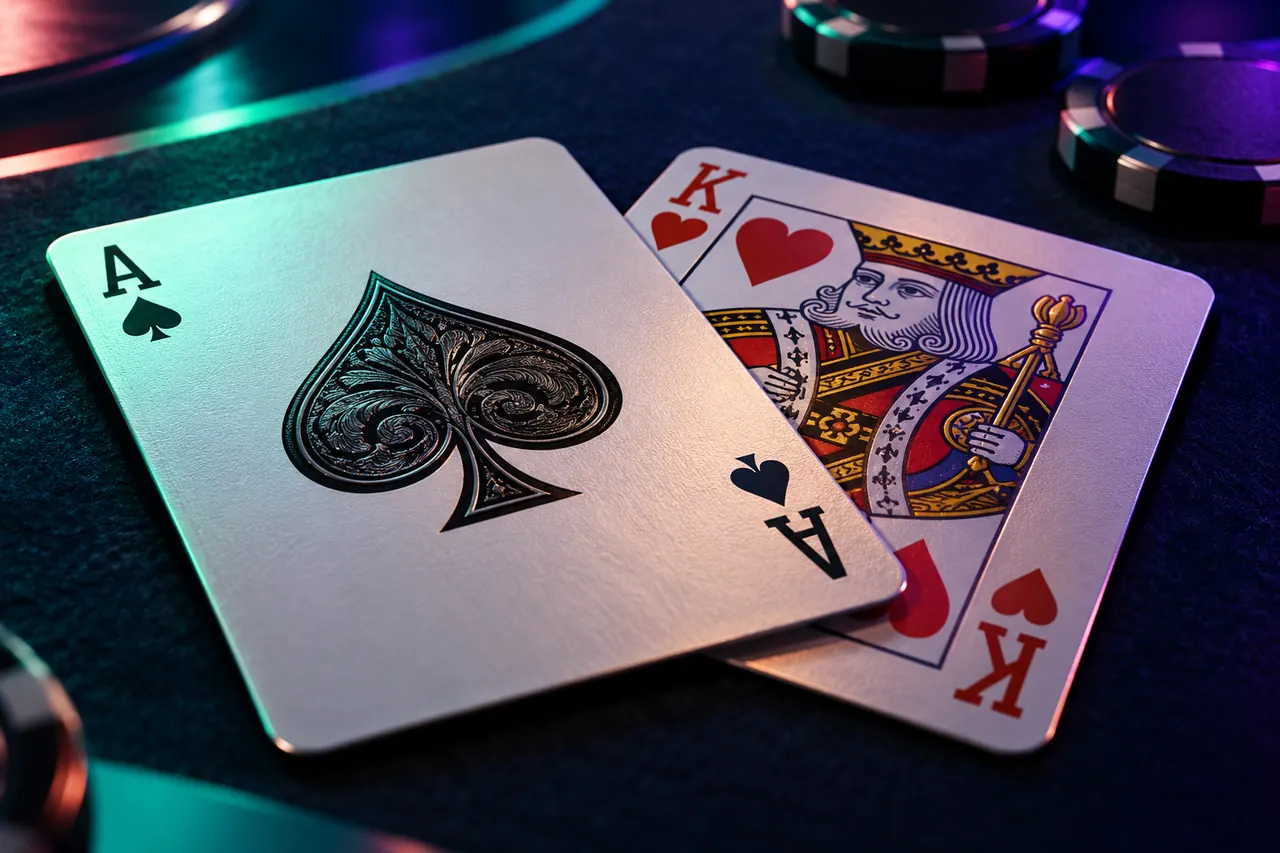
The aim is to finish closer to 21 than the dealer without exceeding it. Number cards keep their value, picture cards count as ten, and an ace can count as one or eleven. A natural blackjack is an ace with a ten-value card in the initial two-card hand; a later three-card 21 is a different result.
The BCLC rulebook provides a concrete example of these distinctions, including separate treatment of 21 after a split. It describes particular variants, not universal rules for every online table.
Ace–6 is soft 17 because the ace can change value. Ten–7 is hard 17. This difference matters when reading what the dealer must do.
Calculate what 3:2 and 6:5 actually mean
Keep profit and returned stake in separate columns. The following comparison uses the same illustrative A$10 winning natural blackjack, with no side bet or fee.
| Rule | Profit calculation | Total returned including stake |
|---|---|---|
| Blackjack pays 3:2 | A$10 × 1.5 = A$15 | A$25 |
| Blackjack pays 6:5 | A$10 × 1.2 = A$12 | A$22 |
| Ordinary winning hand at 1:1 | A$10 × 1 = A$10 | A$20 |
The first two rows differ by A$3 for the same stake and qualifying outcome. That is a direct payout comparison, not a claim that either table guarantees an overall return. Check how a dealer blackjack, a push and a split-hand 21 are treated before using the table to reconcile a result.
Write the table rules beside any strategy chart
Record the number of decks, whether the dealer hits or stands on soft 17, allowed doubling totals, doubling after a split, re-splitting, split-ace restrictions and surrender. Also check when a dealer blackjack is established and what happens to additional stakes if it appears.
A chart built for another ruleset can recommend an action your table does not permit. A label such as “basic strategy” needs its assumptions, including the treatment of soft hands and pairs. Matching those assumptions is necessary for understanding the chart; it does not turn the game into guaranteed profit.
The return and variance guide explains why a long-run mathematical figure cannot be read as the outcome of a particular session.
Splitting and doubling change the amount at risk
Hit requests another card; stand keeps the hand. A conventional double adds a stake and limits the hand to one more card. Splitting creates separate hands with additional stakes, subject to the table's conditions. Surrender, where offered, ends the hand under a specified partial-loss rule.
For an illustrative exposure calculation, an A$10 hand split into two equal-stake hands puts A$20 into play. If both are then doubled by another A$10 each where permitted, the total reaches A$40. The original A$10 label no longer describes the complete round.
Before interpreting a balance change, add all confirmed main-hand and optional stakes. Do not treat an extra stake as free because it was prompted automatically by the interface.
Side bets and live seats are separate products
Evolution's blackjack catalogue illustrates standard seven-seat tables, unlimited-participation formats and optional side bets. A shared initial hand or a bet-behind option does not necessarily give every participant the same control over decisions.
Insurance and named side bets have their own conditions and payouts. Their result can differ from the main hand. A pair-based side bet may win while the blackjack hand loses, so a combined animation should not be read as a single mathematical outcome.
Keep the main stake, side stakes and any feature fee separate in a comparison. A favourable main-game figure cannot establish the return of every extra bet displayed beside it.
Read the default action before a live timer expires
For live tables, inspect what happens if no decision arrives before the deadline, and how connection loss is handled. Do not assume a frozen picture pauses the game. Preserve the round number and confirmed action if the interface and recorded result disagree.
On mobile, verify that hit, stand and double controls remain distinguishable when panels or notifications appear. A practice mode can help explain the layout but cannot prove the reliability of an operator's payments.
These are rule and interface explanations. Providers cannot offer real-money online casino services to people in Australia; the Australian context guide treats that question separately from the mechanics.
THE DETAILS READERS ASK ABOUT
Questions, answered
Is every total of 21 paid as blackjack?
No. A natural two-card blackjack and a 21 reached with more cards are distinct. Split-hand treatment also depends on the rules.
What is soft 17?
A hand such as ace–6, with the ace counted as eleven while it can also count as one. Check whether the dealer must hit or stand on it.
Can one strategy chart fit every online blackjack table?
No. Decks, dealer rules and available actions affect its assumptions. The chart must match the actual ruleset.
Does an A$10 initial stake cap the whole round at A$10?
No. Splits, doubles, side bets or fees can increase the total. Track the complete confirmed amount.
Sources & verification
Primary references used for this guide. Availability, rules and product details can change after the date checked.
- BCLC: basic and variant blackjack rules ↗Checked 2026-10-24
- Evolution: live blackjack formats and side bets ↗Checked 2026-10-24